
How to Remove Tea & Chai Stains From Clothes: A Step-by-Step Guide
"Silk, cashmere, linen, wool — every delicate fabric needs a different touch. Our expert guide ensures your precious garments last a lifetime."
Table of Contents
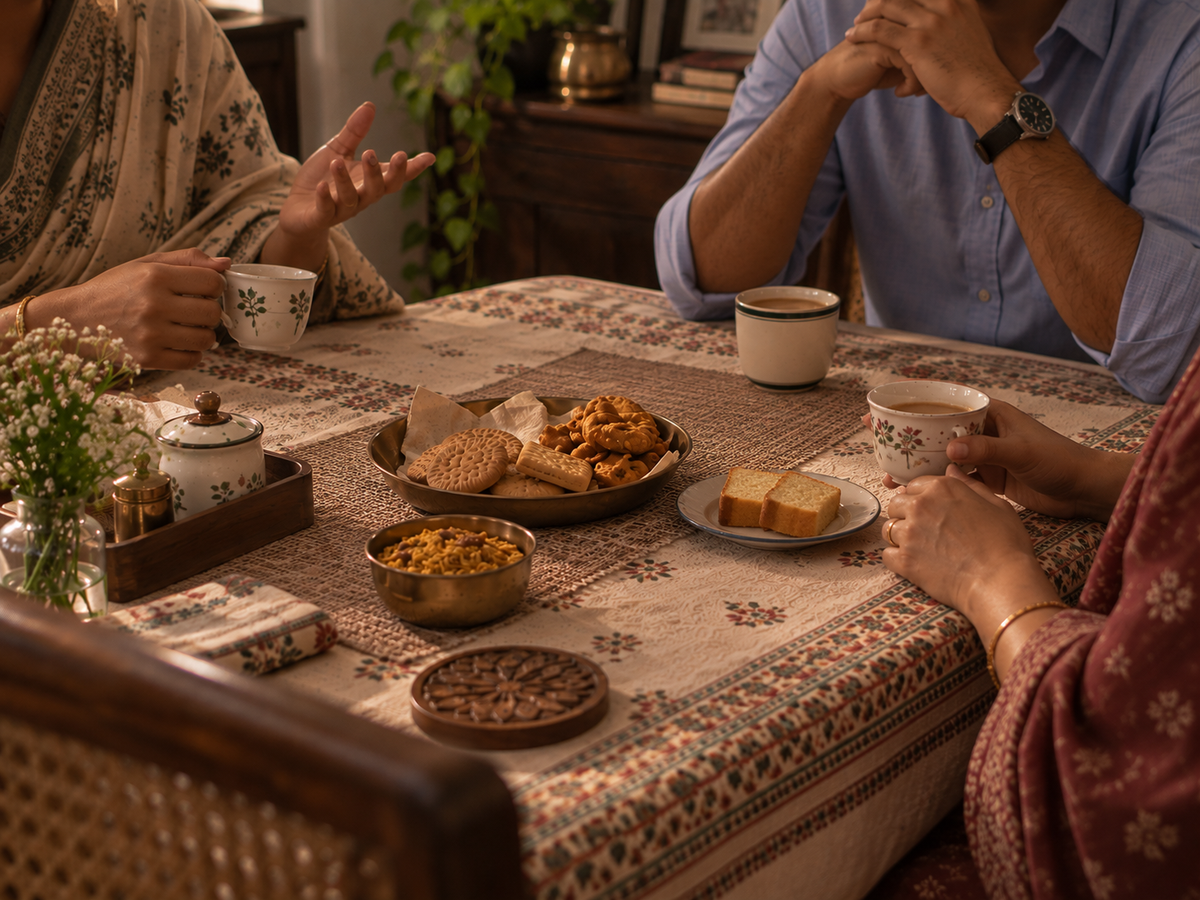
Tea is a familiar source of stains on clothes in India, especially during festive gatherings, where cups of chai are passed around between conversations, snacks, and celebrations. But not every tea stain is the same.
A cup of black tea leaves tannins behind. A cup of chai leaves tannins, milk protein, sugar, and spice, and the milk is doing more to keep that mark on your shirt than the tea is. A matcha latte leaves actual ground leaf on the fabric. Bubble tea leaves starch, and it behaves like nothing else on this list.
Same brown mark, four different problems. So the first job is to work out which one you have. This guide shows you how, and the right detergent does the hard part. Used as a stain remover for clothes, Surf Excel Easy Wash Detergent Powder works on the milk, sugar, and starch that hold the tea colour in place.
|
The quick version
|
What kind of tea stain do you have?
A tea stain is not one stain. The further you move from plain brewed tea, the more the milk, sugar, starch, and solids matter, not the tea itself. Here is what each one really is.
Black tea
Black tea contains tannins, tea pigments, and tea extract; it is close to a pure colour stain. Tannins are what brown the inside of your mug, and they do the same to cotton. As the liquid dries, the tannins concentrate, so a spill left to dry stains more strongly than the same spill caught wet.
Chai and milk tea
Chai is a mixture of tannins, milk protein, milk fat, sugar, and spice: a tea stain and a food stain in one spill. As it dries, the milk and sugar form a film that grips the fibres, trapping the tea colour inside. This is why chai survives a rinse that would remove a black tea stain. That is also why hot water is a mistake early on: heat coagulates protein, so hot water sets the milk protein into the fabric and locks the colour in.
Green tea
Green tea is polyphenols and plant pigments. It is lighter than black tea, but it still leaves a mark if left untreated.
Matcha latte
Matcha works differently from any brewed tea. Black and green tea leaves are infused and then removed; matcha is made from finely ground leaves that are whisked straight into the drink, so the whole leaf ends up in the cup and then on your clothes. You get tea pigment, fine leaf particles, milk protein, milk fat, and sugar: part beverage stain, part food-particle stain. Because the particles are solid, wetting them before you have lifted them off just washes them deeper.
Bubble tea
Bubble tea is the most complicated stain here, and the reason is tapioca. Tapioca pearls are made from tapioca starch, which comes from cassava, not from a beverage ingredient. Starch gels harden when cooked, and hardened starch doesn’t dissolve when you add water. It sets into a film that traps sugar, dairy residue, and tea compounds against the fibres. A dried bubble tea stain has more in common with a spilt pudding than with a cup of tea.
One more thing across all of them: tea is thin, so it spreads further than people notice. There is usually a faint ring or dried water mark well outside the visible stain, especially with sweetened and milky drinks.
Tea type and stain challenge at a glance

Use this table to work out what you are dealing with and where to start.
|
Tea type |
What makes it stubborn |
First move |
|---|---|---|
|
Black tea |
Tea tannins |
Flush (fresh) |
|
Chai/milk tea |
Tea, milk protein and sugar |
Flush; soften if dried |
|
Green tea |
Tea polyphenols |
Flush (fresh) |
|
Matcha latte |
Tea leaf particles and dairy residue |
Lift the powder off first |
|
Bubble tea |
Tapioca starch, dairy, sugar and tea |
Soften first |
|
Sweetened iced tea |
Tea pigments and sugars |
Flush (fresh) |
One line to remember: flush what’s fresh, lift what’s solid, rehydrate what’s dried.
What should you do the moment it happens?
Your first move depends on the drink. There are three possible first moves, and the table above tells you which one you need.
Fresh spill? Flush it: Fresh tea is mostly liquid, and the faster you remove that liquid, the less stain material dries into the cloth. Run cool water through the reverse side before any detergent, pushing the spill back out the way it came in. The first rinse removes more tea than the first wash.
Matcha? Lift the powder off first: Remove as much visible green residue from the surface as you can before you wet it, or the leaf particles will go deeper into the weave.
Dried bubble tea? Soften it: Don’t fight dried boba. Once tapioca starch and sugars harden onto the fabric, brief soaking or thorough wetting loosens them enough for the detergent to work.
How does Surf Excel Easy Wash Powder handle every kind of tea stain?
It loosens the tea residue
The cleaning system loosens and removes the tea residue itself, the colour compounds left behind once the liquid has evaporated.
Multi-enzymes break down the food matrix
The multi-enzymes matter for anything with food in it, which is most of this list. Chai, milk tea, matcha lattes, and bubble tea all leave food-derived residues well beyond the tea.
Bubble tea is the clearest example: the tapioca pearls leave starch-rich deposits that dry onto the fabric and trap other stain materials against it. The enzymes in Surf Excel Easy Wash Powder break down food-derived residues, including starch-containing deposits, into smaller fragments that wash away. That is a different job from lifting grease or dissolving sugar, and it is why a starch-heavy stain needs an enzyme system rather than just a good scrub.
The benefit isn’t colour removal; it is dismantling the dried food matrix that keeps the stain attached.
Alkalinity supports the whole thing
The powder’s alkalinity helps remove dried beverage residue and food soil, while improving surfactant performance.
It works across the whole spill zone
The cleaning system works across the wider spill zone, not just the visible mark. That matters with tea, because the thin liquid ran further than the colour shows.
How to remove a tea stain: the 9-step method
Work through the steps in order. The first step decides the next two.
Step 1: Work out which tea it is
Black, green, chai, milk tea, matcha or bubble tea. Different teas leave different stain patterns, and that determines your next two steps.
Step 2: Remove any solids first
Matcha powder, tapioca residue, and bubble tea toppings: lift the surface solids off gently before anything gets wet. This matters most with matcha and boba, where part of the stain is solid material that will spread if you wet it first.
Step 3: If it is fresh, flush it
Run cool water through the reverse side of the fabric, pushing the spill back out the way it came in. Keep it cool, not warm; warm water sets the milk protein on chai and latte stains.
Step 4: If it is dried, soften it
Wet the area thoroughly, or soak the garment briefly in cool water (about 15 to 30 minutes), to loosen dried starches, sugars and food residue before treatment. This matters most for bubble tea and milk-based drinks, where the dried deposit is doing the gripping.
Step 5: Make a Surf Excel Easy Wash Powder paste
Mix a little Surf Excel Easy Wash Detergent Powder with water to make a smooth paste, roughly three parts powder to one part water. Check the garment care label and the pack instructions before you start.
Step 6: Treat the whole spill zone
Apply the paste to the visible stain, any water ring around it, and anywhere the liquid ran or spread. Tea is thin and travels, so the mark you can see is usually the middle of a wider area. Work it in gently, without hard scrubbing.
Step 7: Let the detergent work
Leave the paste on for about 15 to 20 minutes so the cleaning system can loosen the tea residue and the enzymes can start on the proteins, sugars and starches. Don’t let it dry out completely on the garment.
Step 8: Wash the garment
Wash with Surf Excel Easy Wash Detergent Powder, following the pack directions and the care label. For a hand wash, use about 30 g for a regular load or 45 g for a heavily soiled one. For a semi-automatic machine, use about 45 g for a regular load or 60 g for a heavily soiled one.
Step 9: Check before any heat
Look at the garment while it is still damp, and check the area around the original mark for brown residue, a stiff or sticky patch, or a dried ring. If anything is left, repeat the treatment before you iron it or put it in the dryer. Heat sets the remaining tannin and food residue, making the next attempt harder.
Quick tips and common mistakes
Do this
-
Act fast, because tannins concentrate as the spill dries.
-
Lift matcha powder and tapioca residue off dry. Wetting them first spreads them.
-
Keep the early treatment cool, because hot water sets milk protein in chai and lattes.
-
Flush from the back, not the front.
-
Treat past the visible mark, since thin liquid runs further than the colour shows.
-
Give bubble tea the most patience, because hardened starch has to be softened before anything else works.
-
Take extra care with cotton, which holds tea and food residue more deeply than synthetics.
-
Check before ironing or drying, and repeat if a mark remains.
Avoid this
-
Wetting matcha powder or tapioca residue before you have lifted the solids off.
-
Using warm or hot water early on chai and milk-tea stains.
-
Scrubbing dried bubble tea, which spreads the hardened film instead of removing it.
-
Treating only the visible mark and missing the wider ring.
-
Ironing or machine-drying over a stain that is still there.
What actually causes a tea stain?
Most people think a tea stain is brown. It isn’t, and it isn’t one stain either.
Black tea is a colour problem. Chai is a milk problem wearing a colour. Matcha is a particle problem. Bubble tea is a starch problem that arrived in a cup.
Surf Excel Easy Wash Detergent Powder covers the range with its surfactants, enzymes, and alkaline cleaning environment. Whichever component is doing the gripping, tannin, milk protein, sugar, or tapioca starch, removing it leaves the brown with nothing to hold onto.
This gives you four moves and a decision about which ones you need. Flush what’s fresh. Lift what’s solid. Rehydrate what’s dried. Then wash away the rest.
Disclaimer: Results vary with the stain’s intensity and age, the fabric type and colour, water quality, dosage, wash method and drying conditions. Always follow the garment care label and the detergent pack instructions.
Frequently Asked Questions
Does hot water set a chai or milk tea stain?
Yes. Chai carries milk protein, and protein can set when exposed to heat, the same way egg white firms in a pan. Hot water locks that protein, and the tea colour with it, into the fabric. Keep the early steps cool, and only wash at the temperature your care label allows.
Can a dried bubble tea stain still be removed?
Often, yes, but you have to soften it first. Once the tapioca starch hardens onto the fabric, it won’t dissolve in plain water, so wet or soak the area (about 15 to 30 minutes) to loosen it, then work in a Surf Excel Easy Wash Powder paste and wash. Never scrub it dry, as that spreads the hardened film.
Why does matcha need to be lifted off dry instead of rinsed?
Because matcha is solid ground leaf, not dissolved colour. If you wet it before lifting it off, the fine particles wash deeper into the weave instead of coming away. Remove as much of the green residue from the surface as you can first, then treat and wash.
Is a chai stain treated differently from a plain black tea stain?
The steps are the same, but chai needs more. Black tea is close to a pure colour stain, so a cool flush and a wash often take care of it. Chai adds milk protein and sugar that grip the fibres, so keep the water cool early on and pre-treat the whole area before washing.
Why does a tea stain sometimes leave a ring wider than the visible mark?
Because tea is thin and travels. The liquid runs past the coloured centre into a faint ring or water mark, especially with sweetened and milky drinks. Treat out to the edge of that ring, not just the mark you first see.
Is it safe to put a tea-stained garment straight in the dryer?
No. Drying applies heat, and heat sets the remaining tannin and food residue, making the next attempt harder. Check the garment while it is damp first, and only dry it once the stain is fully gone.
How much Surf Excel Easy Wash Powder should I use?
For a hand wash, use about 30 g for a regular load and about 45 g for a heavily soiled one. For a semi-automatic machine, use about 45 g for a regular load and about 60 g for a heavily soiled one. Always check the guidance printed on the pack.
What is the best detergent for tea and chai stains?
A tea stain is usually tea colour plus milk, sugar or starch, so the best detergent is one that also works on food residues. Surf Excel Easy Wash Detergent Powder loosens the tea colour, uses multi-enzymes to break down milk, sugar, and starch residue, and uses alkalinity to support both. Identify the tea, make the right first move, and treat beyond the visible mark.